What Is Postpartum Pelvic Floor Dysfunction?
Postpartum pelvic floor dysfunction is a common issue many women face after childbirth. The pelvic floor is a group of muscles that support the bladder, uterus, and bowels. After giving birth, these muscles can become weak or injured. As a result, some women notice changes in how their body feels or works. In fact, studies show that up to one in three women experience pelvic floor problems after childbirth. While this condition can be uncomfortable, it is treatable. Early care can help improve postnatal pelvic health and daily comfort.
Common Symptoms
After childbirth, many women notice new symptoms. However, not everyone will have the same experience. Some of the most common signs of postpartum pelvic floor dysfunction include:
Sometimes, symptoms may appear right after birth. Yet, others may notice them weeks or months later. If you have any of these problems, it is important to talk to a healthcare provider.
Causes and Risk Factors
Childbirth puts a lot of pressure on the pelvic floor muscles. As a result, these muscles can stretch or tear. Several factors can increase the risk of pelvic floor problems after childbirth. For example, having a long labor or a large baby can add extra strain. In addition, using forceps or vacuum during delivery may raise the risk. Other risk factors include:
Although some risks cannot be changed, knowing them can help you take steps to protect your postnatal pelvic health.
How Postpartum Pelvic Floor Dysfunction Is Diagnosed
Doctors use several methods to diagnose postpartum pelvic floor dysfunction. First, they will ask about your symptoms and medical history. Next, a gentle physical exam checks the strength and tone of your pelvic floor muscles. Sometimes, your doctor may suggest special tests. For instance, an ultrasound can show how your muscles move. In some cases, other tests may check bladder or bowel function. Although these exams may feel personal, they help your doctor find the best treatment for you.
Treatment Options
Many women recover from pelvic floor problems after childbirth with the right care. Treatment depends on your symptoms and needs. Common options include:
With early treatment, most women see improvement in their postnatal pelvic health. However, it is important to follow your care plan and ask questions if you have concerns.
Lifestyle Tips for Recovery
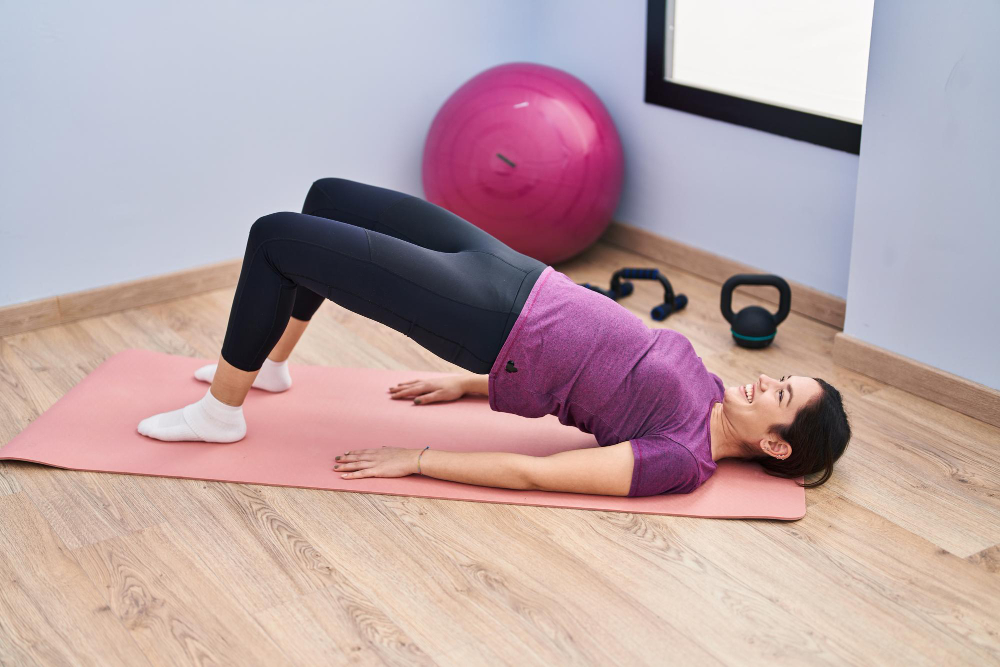
Recovering from postpartum pelvic floor dysfunction often includes changes to daily habits. For example, staying active can help your muscles heal. Yet, it is important to avoid heavy lifting until your doctor says it is safe. Other helpful tips include:
Although recovery can take time, small changes can make a big difference. Always check with your healthcare provider before starting new exercises or routines.
Prevention Strategies
While not all pelvic floor problems after childbirth can be prevented, some steps may lower your risk. For instance, doing pelvic floor exercises during pregnancy can help keep muscles strong. In addition, maintaining a healthy weight before and after birth supports pelvic health. Other prevention tips include:
Because every pregnancy is different, talk to your doctor about your personal risk factors. Early action can help protect your pelvic floor and improve your quality of life.