What Is Bladder Incontinence?
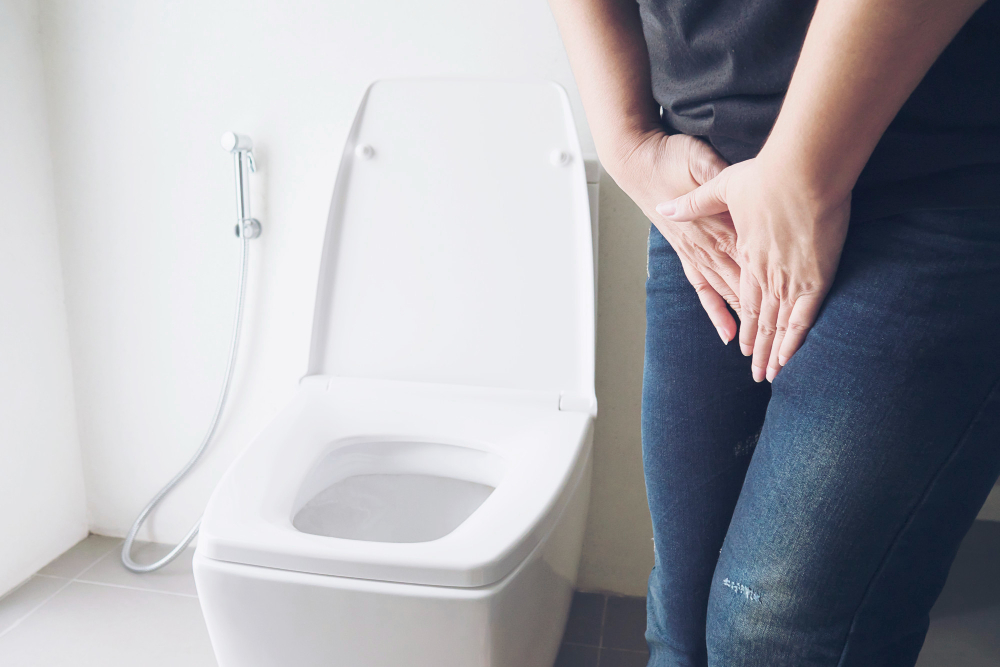
Bladder incontinence means losing control over your bladder. This can lead to urine leaking by accident. Many people in the United States face this issue. For some, it happens only once in a while. For others, it can be a daily problem. Bladder incontinence can affect people of all ages, but it is more common in older adults. Because it can be embarrassing, many people do not talk about it. However, there are ways to manage bladder incontinence and improve your quality of life.
Common Symptoms
Bladder incontinence can show up in different ways. For example, you may notice:
Sometimes, these symptoms can be mild. Other times, they can be more severe. Either way, it is important to pay attention to these signs.
Causes and Risk Factors
There are many reasons why bladder incontinence can happen. Some common causes include:
In addition, some risk factors make bladder incontinence more likely. For instance, being overweight, smoking, and aging can increase your risk. Family history can also play a role.
Diagnosis
If you think you have bladder incontinence, it is important to see a doctor. First, your doctor will ask about your symptoms and medical history. Then, they may do a physical exam. Sometimes, tests like urine analysis or bladder scans are needed. These tests help find the cause of your symptoms. Early diagnosis can lead to better bladder incontinence management.
Treatment Options
There are many ways to treat bladder incontinence. Your doctor will suggest the best option for you. Common treatments include:
Often, a mix of treatments works best. For example, you may use both exercises and medicine. Treatment for urinary incontinence depends on the cause and your health needs.
Lifestyle Tips for Managing Bladder Incontinence
Besides medical treatments, simple changes can help control bladder leakage. Here are some bladder health tips:
With these steps, you may notice fewer leaks. However, it is important to stay patient, as results can take time.
Prevention Strategies
While not all cases can be prevented, you can lower your risk. For example:
These prevention strategies can help keep your bladder healthy.
When to See a Doctor
Sometimes, bladder incontinence can be a sign of a more serious problem. Therefore, you should see a doctor if:
Early help can make a big difference. In conclusion, do not wait to seek advice if you notice these signs.
Bladder incontinence is common, but you do not have to face it alone. Consult Dr. Ashok for personalized advice on managing bladder incontinence.