
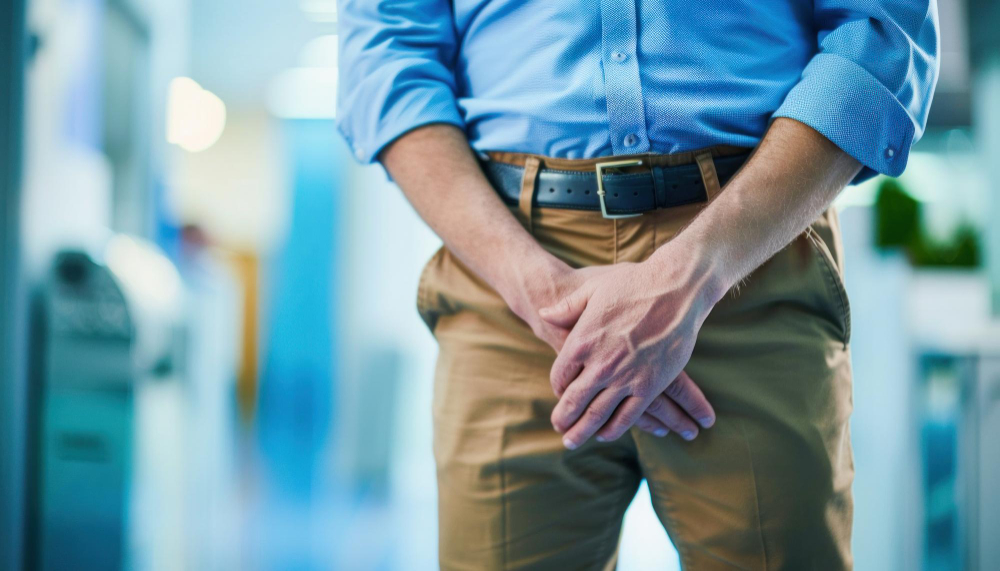
What Is Urinary Incontinence in Men?
Urinary incontinence in men means losing control over when you pass urine. This condition is often called male urinary leakage. Many people think it only affects women, but men can have it too. In fact, studies show millions of men worldwide deal with bladder control problems. Although it can feel embarrassing, you are not alone. For example, the CDC notes that urinary incontinence is a common health issue among older men in the United States. Because it can affect daily life, understanding it is important.
Common Symptoms of Urinary Incontinence
Urinary incontinence can look different for each man. However, some symptoms are more common. If you notice these signs, it may be time to talk to your doctor:
Sometimes, you may also feel a weak urine stream. Because these symptoms can be mild or severe, it helps to keep track of them.
Main Causes and Risk Factors
Several things can cause urinary incontinence in men. While some causes are temporary, others may be long-term. Here are some common reasons:
Additionally, age increases the risk. However, younger men can also experience bladder control problems. Some medicines may also cause leakage as a side effect.
How Is Urinary Incontinence Diagnosed?
Doctors use several steps to diagnose urinary incontinence in men. First, they will ask about your symptoms and medical history. Next, they may do a physical exam. Sometimes, you will need to keep a bladder diary. This means writing down when and how much you urinate. Because other problems can cause similar symptoms, your doctor may order tests, such as:
With these tools, your doctor can find the cause and suggest the best treatment for urinary incontinence in men.
Treatment Options for Men
Treatment for urinary incontinence in men depends on the cause and severity. In many cases, simple changes can help. However, some men may need medicine or surgery. Common treatments include:
Because each person is different, your doctor will help you choose the right plan. In the United States, many clinics offer support for men with bladder control problems.
Lifestyle Tips and Daily Management
While treatment helps, daily habits also make a big difference. For example, you can:
Additionally, staying active and eating healthy foods can support your bladder health. Because stress can make symptoms worse, try to find ways to relax.
Preventing Urinary Incontinence
Although not all cases can be prevented, some steps may lower your risk. For instance, you can:
Because early action helps, talk to your doctor if you notice any bladder control problems in men. With the right care, most men can manage or even prevent urinary incontinence.
Conclusion
If you are noticing bladder control problems, do not wait to seek help. Book a health check-up with Dr. Ashok to discuss your symptoms and find the right support for you.