
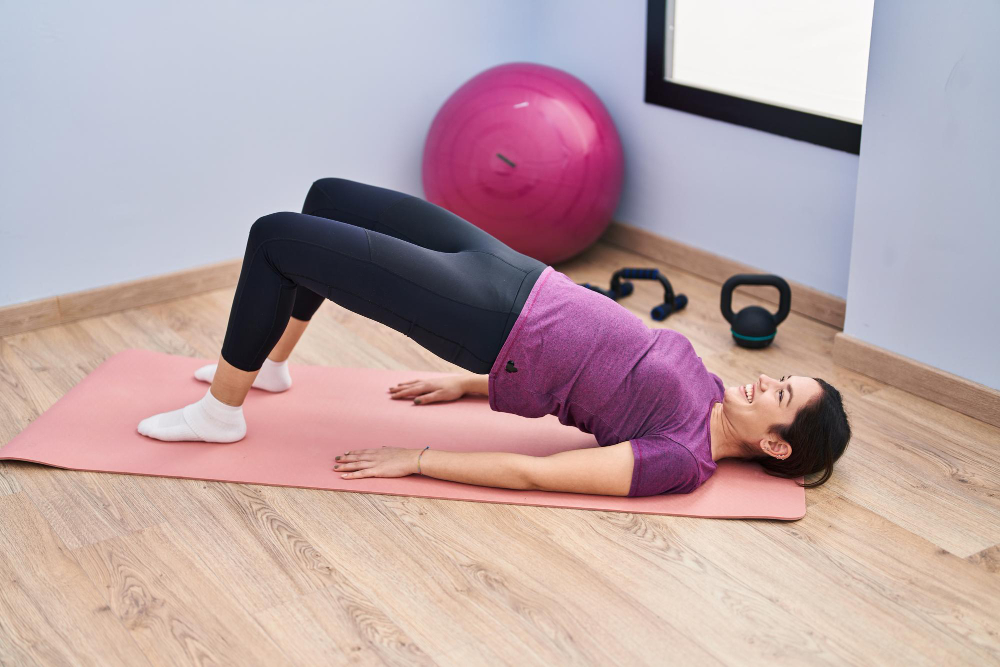
What Is Non-Relaxing Pelvic Floor Dysfunction?
Non-relaxing pelvic floor dysfunction is a condition where the muscles in the pelvic floor stay tight when they should relax. Because of this, people may have trouble with bladder or bowel movements. The pelvic floor is a group of muscles at the bottom of the pelvis. These muscles support the bladder, bowel, and, in women, the uterus. When these muscles do not relax, it can cause pain and other problems. According to the National Institutes of Health, this condition is a common cause of chronic pelvic pain. Although anyone can develop pelvic floor muscle dysfunction, it is more common in women.
Common Symptoms
People with non-relaxing pelvic floor dysfunction may notice several symptoms. For example, some symptoms can affect daily life and comfort. Early recognition can help you seek the right care.
Sometimes, symptoms may come and go. However, they can also become worse over time if not treated.
Causes and Risk Factors
Many things can lead to non-relaxing pelvic floor dysfunction. For instance, injury or stress can affect the pelvic muscles. The exact cause is not always clear. Still, doctors have found some common risk factors.
Additionally, people with certain medical conditions, such as irritable bowel syndrome, may have a higher risk. The CDC notes that pelvic floor disorders can affect people of all ages.
How Is It Diagnosed?
Doctors use several steps to diagnose non-relaxing pelvic floor dysfunction. First, they ask about your symptoms and medical history. Next, they may do a physical exam to check the pelvic muscles. Sometimes, special tests help confirm the diagnosis.
Because symptoms can be similar to other conditions, a careful diagnosis is important. According to the American Urological Association, early diagnosis can improve treatment results.
Treatment Options
There are many ways to treat non-relaxing pelvic floor dysfunction. Treatment often depends on your symptoms and their cause. In many cases, pelvic floor therapy is the first step. This therapy helps you learn to relax and control your pelvic muscles. For example, a physical therapist may guide you through gentle exercises and stretches.
In some cases, doctors may suggest other treatments, such as injections or surgery. However, these are usually for severe cases. If you live in a large city, you may find more treatment options in your area. Always talk to a healthcare provider before starting any new therapy.
Lifestyle Tips and Prevention
Making small changes in your daily life can help manage or prevent pelvic floor muscle dysfunction. For instance, regular exercise and good bathroom habits can make a big difference. Even simple steps can help reduce symptoms over time.
Because early care can prevent problems from getting worse, do not ignore symptoms. The World Health Organization recommends regular check-ups for anyone with ongoing pelvic pain. With the right care, many people find relief from chronic pelvic pain and improve their quality of life.