
What Is Erectile Dysfunction?
Erectile dysfunction, often called ED, means a man cannot get or keep an erection firm enough for sex. This is a common issue. In fact, studies show that up to 1 in 3 men experience ED at some point in their lives. Although it can happen at any age, it becomes more common as men get older. Because ED can affect confidence and relationships, many men feel worried or embarrassed. However, help is available. Early treatment can improve male sexual health and quality of life.
Common Causes of Erectile Dysfunction
Many things can lead to erectile dysfunction. Sometimes, it is due to physical health problems. Other times, mental health or lifestyle factors play a role. Understanding the cause can help guide ED treatment options. Common causes include:
Additionally, lack of exercise and poor diet can make ED more likely. Because many causes are linked to overall health, improving daily habits often helps.
How Is Erectile Dysfunction Diagnosed?
Doctors use several steps to diagnose erectile dysfunction. First, they ask about symptoms and health history. Next, they may do a physical exam. Blood tests can check for diabetes, hormone levels, or heart problems. Sometimes, doctors use special tests to see how blood flows to the penis. Because mental health can affect erections, doctors may also ask about stress or mood. Early diagnosis is important. It helps find the best ED treatment options for each person.
Treatment Options for Erectile Dysfunction
There are many ways to treat erectile dysfunction. The right choice depends on the cause and personal needs. Common ED treatment options include:
Because each man is different, doctors often suggest starting with simple changes. If those do not help, other treatments may be added.
The Role of Pelvic Floor Rehabilitation in ED Management
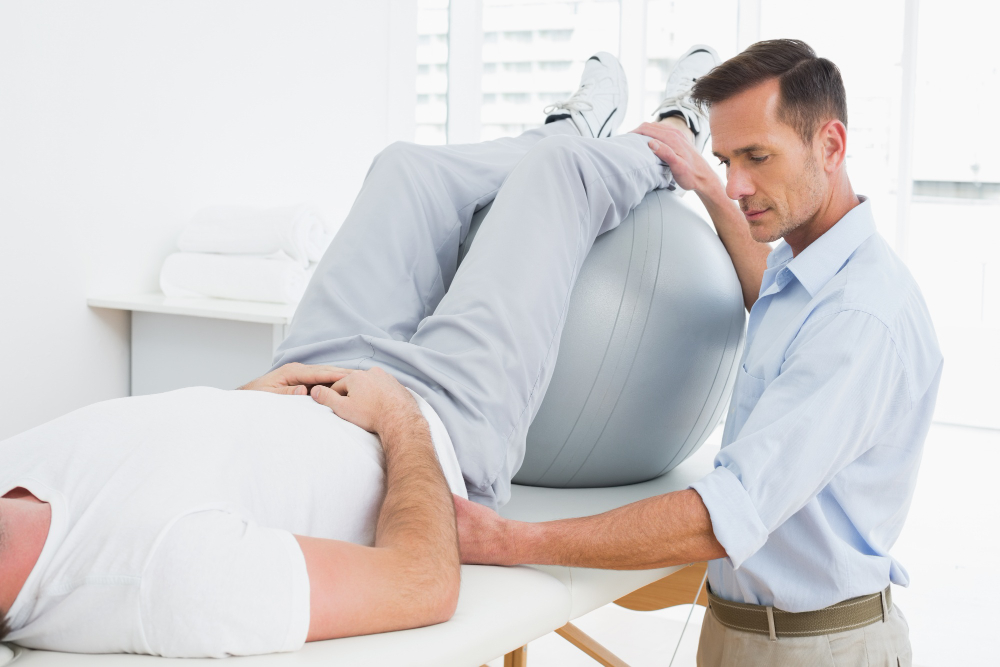
Pelvic floor rehabilitation is a safe, non-surgical way to help with erectile dysfunction. The pelvic floor muscles support the bladder and penis. When these muscles are weak, erections can be harder to achieve. However, special exercises can make them stronger. These are called pelvic floor exercises for erectile dysfunction or Kegel exercises. Research shows that men who practice these exercises often see better erections. Pelvic floor rehabilitation may include:
Because this approach is safe and easy, many doctors recommend it as a first step. In addition, pelvic floor exercises can help with bladder control and overall male sexual health.
Lifestyle Tips for Supporting Erectile Health
Healthy habits can make a big difference in preventing and treating ED. For example, eating a balanced diet helps keep blood vessels healthy. Other helpful tips include:
Because these changes support the whole body, they also improve male sexual health. Even small steps can lead to big improvements over time.
Preventing Erectile Dysfunction
Although not all cases can be prevented, many steps lower the risk of erectile dysfunction. For instance, keeping blood pressure and blood sugar in a healthy range helps protect blood vessels. Other ways to prevent ED include:
Because early action is key, talk to a healthcare provider if you notice changes. With the right support, many men can prevent or manage erectile dysfunction successfully.
Conclusion
If you have concerns about erectile health, schedule a check-up with Dr. Ashok. Early care can help you feel your best and support your well-being.