What is Pudendal Neuralgia?
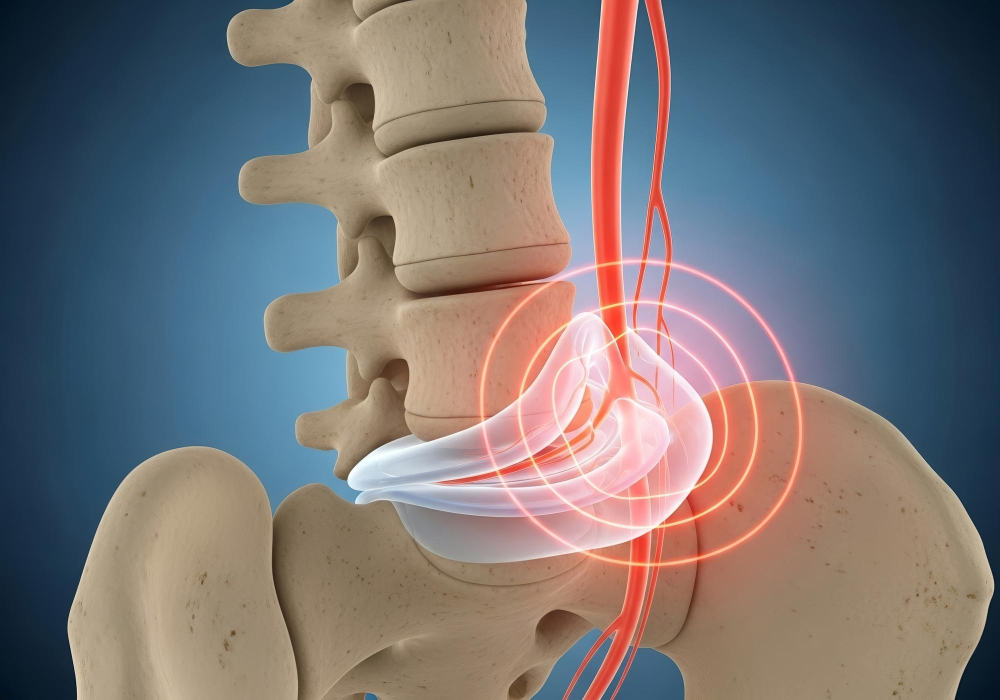
Pudendal Neuralgia is a condition that causes pain along the pudendal nerve. This nerve runs from your lower back to your pelvis. Because it affects the pelvic area, it can cause discomfort in the genitals, anus, or perineum. Many people feel burning, stabbing, or aching pain. Often, this pain gets worse when sitting. Pudendal Neuralgia is not very common, but it can affect both men and women. Early diagnosis and treatment help manage symptoms and improve quality of life.
Symptoms of Pudendal Neuralgia
Symptoms can vary from person to person. However, most people notice pain in the pelvic region. For example, you may feel:
Sometimes, symptoms may come and go. But for others, the pain is constant. If you notice these signs, it is important to seek medical advice.
Causes and Risk Factors
Pudendal Neuralgia can have several causes. In many cases, the nerve gets trapped or irritated. Common causes include:
Additionally, some people may have a higher risk due to their anatomy. For instance, women are more likely to develop this condition after childbirth. However, men can also be affected. According to the National Institutes of Health, nerve entrapment is a leading cause.
Diagnosis Methods
Doctors use several steps to diagnose Pudendal Neuralgia. First, they ask about your symptoms and medical history. Next, they may perform a physical exam. Sometimes, tests are needed to rule out other problems. These may include:
Because symptoms can mimic other conditions, a correct diagnosis is important. Early diagnosis helps start the right treatment sooner.
Treatment Options
Treatment for Pudendal Neuralgia aims to reduce pain and improve daily life. Options may include:
Often, a combination of treatments works best. According to the American Academy of Neurology, early treatment can prevent long-term pain.
Lifestyle Tips and Prevention
While not all cases can be prevented, some steps may lower your risk. For example:
Additionally, staying active and managing stress can help. If you notice early symptoms, seek help quickly. Early action often leads to better outcomes.
When to See a Doctor
If you have ongoing pelvic pain, numbness, or discomfort, it is time to see a doctor. Especially if pain gets worse when sitting or affects your daily life, do not wait. Early diagnosis and treatment can make a big difference. For personalized advice on Pudendal Neuralgia, consult Dr. Ashok